Hail Size and What It Means for Your Roof
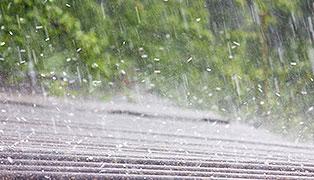
Not all hail causes the same level of damage. Here’s a general guide to how hail size typically affects different roofing materials:
¾ inch (marble-sized): May cause granule loss on older or weathered asphalt shingles, especially with high wind speeds.
1 inch (quarter-sized): Can dent metal surfaces, damage softer roofing materials, and accelerate granule loss on asphalt shingles.
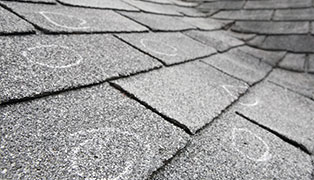
1.5 inches (golf ball-sized): Likely to crack or bruise asphalt shingles, damage ridge caps, and cause functional damage requiring professional repair or replacement.
2 inches and larger (egg-sized and above): Can cause severe structural damage to virtually any roofing material, including impact-resistant Class 4 shingles.
If your area experienced hail of 1 inch or more, scheduling a professional inspection is strongly recommended regardless of whether you see visible damage from the ground. T Rock Roofing documents all findings with photos and a written assessment so you have a clear, honest picture of your roof’s condition.
Why a Fast Inspection Matters
Waiting too long can turn a manageable repair into a larger insurance and water-damage problem. Our team checks the full roofing system, documents any storm-related damage, and explains your options in clear, straightforward language. We focus on helping homeowners make a confident decision without pressure.
North Texas weather changes quickly, and hail is one of the most common causes of roof damage across the DFW area. A timely inspection helps protect your home, reduce the risk of interior leaks, and preserve your claim timeline if you decide to file one.
Our Hail Damage Inspection Process
When you call T Rock Roofing after a hailstorm, here is exactly what to expect:
Step 1: Schedule a free inspection. We offer same-day appointments across the DFW Metroplex. Just call (469) 931-9867 or submit the online form and we’ll be out quickly.
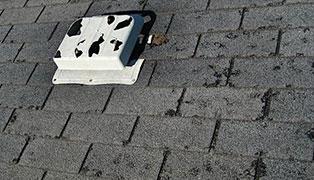
Step 2: Full roof and exterior evaluation. Our experienced roofing professionals inspect every surface of your roofing system – shingles, ridge caps, flashing, vents, gutters, and fascia – for both visible and hidden hail damage.
Step 3: Photo documentation. We photograph all damage findings so you have a complete record. This documentation is valuable whether you choose to file an insurance claim or pay out of pocket.
Step 4: Honest assessment and options. We explain our findings in plain language and give you a straightforward recommendation: repair, partial replacement, or full replacement based on what the roof actually needs, not what generates the largest job for us.
Step 5: Written estimate. You receive a written estimate with no obligation to proceed. T Rock Roofing has been serving North Texas homeowners for over 65 years. We’ve seen thousands of hail-damaged roofs across DFW, and our goal is always to give you the most honest, accurate assessment possible.
Recent hail in your neighborhood? Don’t wait for a leak to confirm the damage.
T Rock Roofing offers free, same-day hail damage inspections across Dallas-Fort Worth — with no pressure and no obligation.
📞 Call (469) 931-9867
Or request your free inspection online
FREE INSPECTION
Hail Damage Repair vs. Roof Replacement – Which Do You Need?
One of the most common questions homeowners ask after a hailstorm is whether they need a repair or a full roof replacement. The honest answer depends on several factors our team evaluates during the inspection:
Repair is often appropriate when the damage is limited to a small area of the roof, the shingles are relatively new, and the underlayment and decking are intact.
Replacement is typically recommended when the damage is widespread across multiple roof sections, the shingles are already aging or past their rated lifespan, or when repair costs approach the cost of replacement.
At T Rock Roofing, we will never recommend a full replacement when a targeted repair is the right solution. We’ve built our reputation in North Texas on honest assessments, and that means telling homeowners what their roof actually needs, not what generates the biggest job.
If your roof does require replacement, we can walk you through impact-resistant shingle options, including Class 4 rated materials that may qualify you for a discount on your homeowner’s insurance premium in Texas.
Serving Homeowners Across North Texas and the DFW Metroplex
T Rock Roofing & Contracting provides hail damage roof inspections and restoration services throughout North Texas. Whether you’re in Dallas proper, the suburbs of Fort Worth, or anywhere across the greater DFW Metroplex, our team is ready to respond when storms hit your neighborhood.
Hail doesn’t stop at city lines – and neither do we. We serve the full spectrum of North Texas communities, from established neighborhoods in the heart of Dallas to newer developments throughout the Metroplex. If a storm has rolled through your area, call us and we’ll get a qualified inspector out as quickly as possible.
Not sure if we cover your area? Call (469) 931-9867 and we’ll confirm coverage immediately.
FAQs
Question: How soon should I get my roof inspected after a hailstorm?
Answer: You should schedule a roof inspection as soon as possible after a hailstorm – ideally within one to two weeks. Hail damage that is left unaddressed allows water to infiltrate the roofing system, which can lead to deck rot, mold, and interior ceiling damage that is far more expensive to repair than the original storm damage.
Question: Will my insurance cover hail damage to my roof?
Answer: Most standard homeowner’s insurance policies in Texas cover hail damage caused by a covered storm event. Coverage is subject to your policy’s deductible, the findings of the insurance adjuster’s inspection, and your roof’s age and condition. T Rock Roofing can provide detailed photo documentation of all damage to support your claim process.
Question: Can hail damage be invisible from the ground?
Answer: Yes. The most significant hail damage – granule loss, bruising of the asphalt layer, cracked underlayment – is typically not visible from the ground. This is one of the most important reasons to have a professional inspection after any storm that dropped hail larger than three-quarters of an inch.
Question: What size hail causes roof damage?
Answer: Hail of three-quarters of an inch (marble-sized) or larger can cause functional damage to asphalt shingles, particularly older or weathered ones. Hailstones of one inch or more are likely to cause damage that warrants a professional assessment on virtually any residential roofing system.
Question: How long does a hail damage roof repair take?
Answer: Minor repairs can typically be completed in one day. Full roof replacements following severe hail damage generally take one to three days depending on the size and complexity of the roof. Our team will give you a realistic timeline as part of your free estimate.
Question: What is a Class 4 impact-resistant shingle, and should I get one?
Answer: Class 4 is the highest impact-resistance rating for roofing shingles, as defined by UL 2218 testing standards. These shingles are designed to withstand larger hailstones with less damage. In Texas, installing Class 4 shingles may qualify you for a discount on your homeowner’s insurance premium. T Rock Roofing can walk you through whether this upgrade makes sense for your home during your free inspection.